In today's fast-paced environment, mobile command centers are becoming essential for efficient operations. These centers require robust and reliable connectivity. This leads us to ask, why choose 4G or 5G over Wi-Fi for mobile command centers? The differences between these technologies are significant.
4G and 5G offer improved speed and lower latency compared to traditional Wi-Fi. This means faster data transmission, allowing real-time updates and communication. For example, a command center on-site during an emergency can coordinate efforts seamlessly. The comprehensive coverage of 4G and 5G also extends beyond the limitations often faced with Wi-Fi.
Reliability is another critical factor. Mobile command centers often operate in unpredictable environments. Here, 4G and 5G shine. They provide consistent connectivity even in challenging locations. The necessity for survival and adaptability is evident. In contrast, relying solely on Wi-Fi can create vulnerabilities. Hence, when considering mobile command centers, the question is not just about connectivity but also about operational effectiveness.
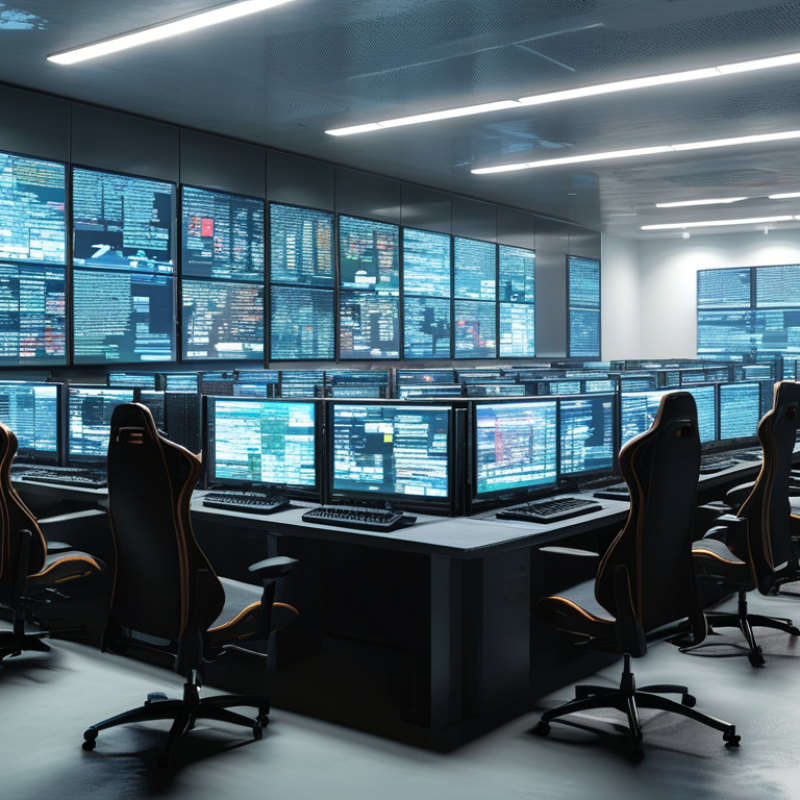
Benefits of 4G and 5G in Mobile Command Centers
In mobile command centers, connectivity is crucial. 4G and 5G networks provide advantages that traditional Wi-Fi cannot match. First, these cellular networks offer wider coverage. In remote areas or during large-scale events, mobile command centers often face connectivity challenges. 4G and 5G help overcome these obstacles more reliably than Wi-Fi, ensuring real-time communication.
The speed of 4G and 5G is another significant benefit. They enable faster data transmission, essential for tasks like video streaming and live updates. This capability allows teams to respond quickly to emerging situations. With 5G, the latency is lower, which is critical when every second counts. However, the infrastructure for 5G may be limited in some regions, impacting availability.
Another important consideration is security. Cellular networks can provide a more secure connection compared to public Wi-Fi. In mobile command centers, sensitive data is often shared. A secure connection helps protect this data from unauthorized access. While Wi-Fi may offer convenience, its vulnerabilities can pose risks in crucial operations. Choosing 4G or 5G can enhance both reliability and security for effective mobile command center operations.
Benefits of 4G and 5G in Mobile Command Centers
Comparison of 4G/5G and Wi-Fi Performance for Mobile Use
In today’s fast-paced environment, choosing between 4G, 5G, and Wi-Fi for mobile command centers is crucial. According to a report from the International Telecommunication Union, 5G can reach speeds up to 20 Gbps, while 4G typically averages around 100 Mbps. This speed difference can significantly impact real-time data transfer and communication effectiveness in critical situations.
While Wi-Fi remains a popular choice for many applications, its performance varies based on distance and obstacles. A study by Cisco indicates that Wi-Fi networks can support over 100 users simultaneously, but this often leads to increased latency. 4G and 5G networks, on the other hand, provide more consistent performance across larger areas. This reliability is vital in mobile command centers, where connectivity is non-negotiable.
Tip: Always evaluate your location and the surrounding infrastructure. In urban areas, 5G may offer superior advantages over Wi-Fi. Conversely, rural settings could present challenges for mobile data networks, making 4G a more reliable choice.
Another consideration is network congestion. Research shows that during peak hours, Wi-Fi can struggle under heavy loads, which can hinder operations. 4G and 5G networks tend to maintain performance levels better during these times, which can be critical for mission-critical tasks.
Tip: Consider the potential for redundancy. Using a combination of 4G/5G and Wi-Fi can ensure seamless connectivity. Having a backup means less downtime in crucial moments.
Reliability and Coverage: 4G and 5G vs. Wi-Fi in Field Operations
In field operations, the choice between 4G, 5G, and Wi-Fi can significantly impact performance. Reliability and coverage are critical. Recent reports indicate that 5G networks can provide speeds up to 10 Gbps, far exceeding Wi-Fi capabilities. However, their effectiveness depends on the density of cell towers in the area. Rural areas may still struggle with coverage.
4G networks, while slower, offer better widespread availability. Studies show that approximately 98% of the population has access to 4G services in developed areas. This can be crucial for mobile command centers in remote locations. Wi-Fi, while useful in urban settings, often lacks the range and stability needed for critical communication in the field.
Moreover, Wi-Fi networks can suffer from congestion and interference, especially in crowded environments. A 2021 report highlighted that over 50% of businesses faced connectivity issues during peak hours. In contrast, dedicated cellular networks provide reliable access, ensuring consistent communication for operations. In this fast-paced environment, the ability to maintain connectivity could mean the difference between success and failure in critical situations.
Security Features of 4G and 5G for Sensitive Mobile Communications
Mobile command centers are critical for secure and efficient operations. Choosing 4G or 5G networks over Wi-Fi can provide enhanced security features essential for sensitive communications. According to a recent industry report, 5G networks offer advanced encryption and reduced latency, crucial for real-time data transmission. This ensures that sensitive information remains confidential and minimizes the risk of interception during operations.
Wi-Fi networks often suffer from vulnerabilities, making them less reliable for critical communications. A study by a leading cybersecurity firm indicates that 60% of cyberattacks target unprotected Wi-Fi networks, heightening the threat to sensitive data. In contrast, 4G and 5G technologies incorporate robust security protocols designed to protect mobile communications during transit. Secure access frameworks further ensure that only authorized devices can connect, mitigating risks associated with unauthorized access.
Tips: Always assess the security protocols of the chosen network. Evaluate the encryption standards and consider using a VPN for additional protection. Additionally, keep your communication devices updated to safeguard against newfound vulnerabilities. Transmitting sensitive information over 4G or 5G can significantly reduce exposure to potential threats, reinforcing operational security.
Cost Considerations: Investing in 4G/5G for Command Center Efficiency
In mobile command centers, choosing between 4G/5G and Wi-Fi involves significant cost considerations. Mobile networks offer greater coverage and reliability, especially in remote areas. While Wi-Fi can be economical, it often lacks the reach needed for expansive operations. Expenses for setting up and maintaining a robust Wi-Fi infrastructure can quickly add up, especially when considering potential downtime.
Investing in 4G or 5G networks ensures seamless connectivity. Command centers require real-time data access. With fast mobile networks, teams can receive updates instantly. This efficiency minimizes delays and enhances decision-making. Yet, the initial investment can be daunting. There is a need for careful budgeting and planning. An organization must weigh the potential gains against upfront costs. Understanding these factors is crucial for effective resource allocation.
Additionally, personnel trained to manage 4G and 5G technologies become invaluable assets. Investing in training is essential for maximizing these networks' potential. There might be concerns about ongoing costs, such as data plans. This leads many organizations to rethink their strategy. Balancing costs and operational demands is vital for success. Each command center must reflect on its specific needs before committing.
FAQS
: 5G can reach speeds up to 20 Gbps, while 4G averages around 100 Mbps. Wi-Fi performance varies significantly.
Wi-Fi works well in urban areas but can struggle in rural settings. Obstacles may also reduce its effectiveness.
Consistent connectivity is essential for real-time data transfer. In critical situations, any downtime can have severe consequences.
Wi-Fi may face issues during peak hours, leading to increased latency. 4G and 5G maintain performance better under such conditions.
Yes, using both 4G/5G and Wi-Fi ensures seamless connectivity. Redundancy reduces the risk of downtime during crucial operations.
4G is widely available, with about 98% coverage in developed regions. 5G offers faster speeds but requires dense tower coverage.
Setting up Wi-Fi can quickly become costly, especially with potential downtimes. 4G and 5G generally ensure better long-term value.
Yes, trained personnel can maximize network efficiency. Investing in staff training is crucial for successful operations.
Each command center needs to assess specific connectivity requirements, costs, and environmental factors before deciding.
Yes, organizations must reflect on potential connectivity issues and be prepared for unexpected challenges during operations.
Conclusion
In today's rapidly evolving technological landscape, many organizations are evaluating why choose 4G/5G over Wi-Fi for mobile command centers. The benefits of 4G and 5G networks, including superior speed and lower latency, make them particularly advantageous in field operations where timely communication is critical. When comparing performance, 4G and 5G provide more reliable and stable connections than Wi-Fi, ensuring uninterrupted service even in challenging environments.
Moreover, the enhanced security features of 4G and 5G networks are essential for protecting sensitive communications, a key consideration for command center operations. Although initial investments might be higher, the long-term efficiency improvements and reliability make 4G and 5G a wise choice for organizations looking to maximize their operational effectiveness in the field.

 HawkEye Camera