Understanding what makes a PTZ camera "high-definition" in mobile environments is crucial for various applications. These cameras are essential for capturing clear visuals while on the move. High-definition quality depends on several factors, including resolution, sensor size, and lens quality.
In mobile settings, the challenges of varying lighting conditions and stabilization become prominent. A high-quality PTZ camera must adapt to these changes to maintain clarity. For example, a camera with a larger sensor can capture more light, improving overall image quality. Furthermore, the lens should support zoom capabilities without sacrificing sharpness.
Optimal connectivity and processing power are also significant. Cameras that offer seamless integration with mobile networks ensure stable video streams. However, not every PTZ camera meets these criteria. Users often face limitations, requiring careful selection based on their needs. Exploring what makes a PTZ camera "high-definition" is essential for enhancing video quality in dynamic environments.
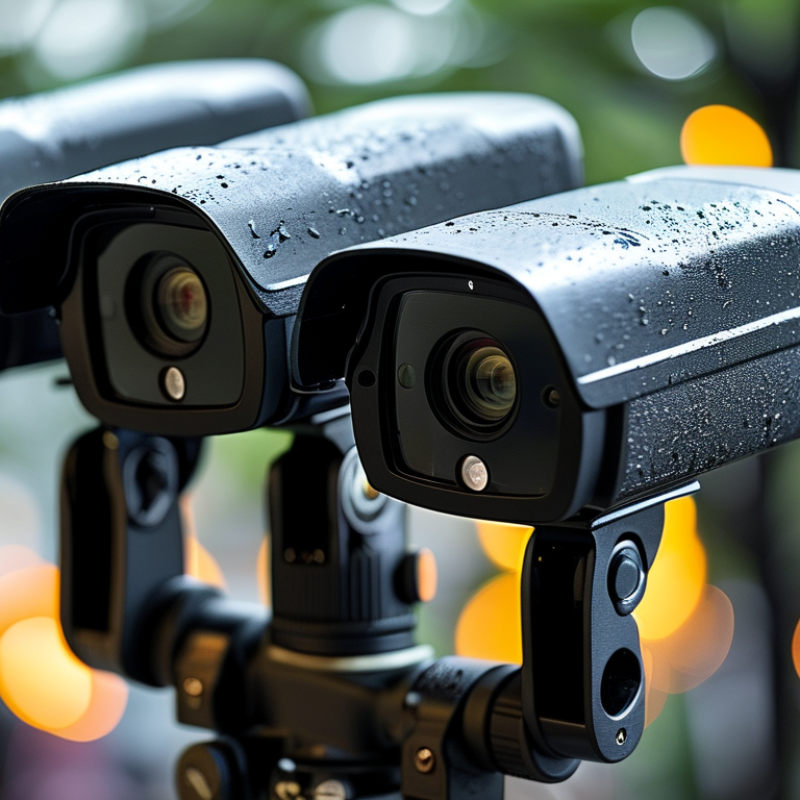
Understanding the Basics of PTZ Cameras in Mobile Environments
PTZ (pan-tilt-zoom) cameras serve crucial functions in mobile settings. Understanding how they deliver high-definition images requires exploration of their key aspects. A report from
MarketsandMarkets confirms the global PTZ camera market is projected to reach $2 billion by 2026. This growth highlights the importance of quality in mobile surveillance.
Effective resolution is vital for high-definition PTZ cameras. For mobile environments, clarity is essential for security and monitoring. A camera offering at least 1080p resolution often suffices. Higher resolutions, like 4K, provide more detail but require better bandwidth management. It's vital to balance quality with the infrastructure in place. Poor connections can lead to lag or pixelation, diminishing the benefits.
Tips: Consider lighting conditions. Low light can hinder image quality. An ideal PTZ camera should have good low-light performance. Additionally, consider the camera's field of view. Wider angles reduce blind spots but may affect detail in the image.
Always assess whether the camera meets the specific needs of the environment. Factors like mounting height and angle greatly influence performance. Remember, more features don't always equal better results. The effectiveness of a camera often lies in its practical application rather than its specifications alone.
Defining High Definition: Key Specifications for PTZ Cameras
High Definition (HD) in PTZ cameras is measured by several key specifications. The most widely recognized standard is 1080p resolution, offering a pixel count of 1920x1080. This level of quality is essential for mobile settings, as it allows clear image capture and video streaming. According to a report by the International Imaging Industry Association, a staggering 71% of users prefer high-resolution images for surveillance applications.
Additionally, frame rate plays a crucial role in defining high definition. A rate of 30 frames per second (fps) is typically the minimum for smooth movement capture. Any drop in this rate may result in choppy video playback, which is not ideal for serious monitoring. Research indicates that 60 fps can significantly improve motion clarity. However, achieving this consistency can be challenging, especially in mobile environments with variable lighting and movement.
Another factor is the camera's sensor size and technology. Larger sensors usually perform better in low light, a common issue in mobile settings. Many PTZ cameras feature advanced technologies, such as back-illuminated sensors, to address this. Yet, even with these advancements, there may be scenarios where common issues like sensor noise prevail, leading to less-than-ideal footage quality. This inconsistency highlights the ongoing need for careful evaluation when selecting PTZ cameras for HD applications.
What Makes a PTZ Camera High Definition in Mobile Settings? - Defining High Definition: Key Specifications for PTZ Cameras
| Specification |
Description |
Example Value |
| Resolution |
The pixel dimensions of the video capture capability. |
1920 x 1080 (Full HD) |
| Frame Rate |
The number of frames captured per second. |
30 FPS |
| Compression Format |
The method of encoding the video to reduce file size. |
H.264 |
| Field of View |
The extent of the observable area captured by the camera. |
90 Degrees |
| Low Light Performance |
The camera's ability to capture clear images in low light conditions. |
0.01 Lux |
| Pan/Tilt Range |
The horizontal and vertical angle coverage of the camera. |
Pan: 360°, Tilt: 90° |
The Importance of Lens Quality in Achieving High Definition
In mobile settings, the lens quality is crucial for achieving high-definition visuals with PTZ cameras. A good lens can dramatically enhance image clarity. High-quality glass reduces distortion and ensures accurate color reproduction. Quality lenses also capture more light, improving performance in low-light environments. This aspect is vital for surveillance or events where lighting conditions can fluctuate.
However, not all lenses fulfill these expectations. Some may offer sharp images in good light, but struggle in darker situations. It's essential to evaluate lens coatings and designs. Multi-coated lenses can minimize flare and ghosting effects, but they may come at a higher cost. Weighing performance against price is a common dilemma for users.
In practice, users should also consider the camera’s sensor compatibility. A high-definition lens can only perform as well as the sensor it pairs with. Poor integration can lead to disappointing results. Testing different combinations can reveal hidden weaknesses. Understanding these complexities helps in making informed choices for mobile PTZ camera setups.
The Role of Sensor Technology in Mobile PTZ Camera Performance
In mobile settings, the performance of PTZ (Pan-Tilt-Zoom) cameras heavily relies on sensor technology. High-definition images are crucial for clarity in dynamic environments. Sensor size and type play key roles in capturing light effectively. Larger sensors typically result in better image quality, especially in low light.
When selecting a PTZ camera, consider the sensor resolution. A higher resolution enhances detail, but it's not the sole factor. The camera’s processing capabilities also matter. Some cameras may boast high resolution but fall short in real-time processing. Evaluate how the camera handles motion, focusing on how quickly it adjusts to changing scenes.
Tips: Ensure the sensor technology fits your needs. Check low-light performance and dynamic range specifications. It’s essential to research various models before making a decision. Not all high-definition cameras deliver equal quality.
Another consideration is the lens quality. A good lens can significantly impact image sharpness. Opt for cameras with quality glass, as they minimize distortion. Test various options to identify what suits your requirements best. Reflect on your priorities—image quality might surpass features for certain projects.
Impact of Sensor Technology on Mobile PTZ Camera Performance
Factors Affecting Video Transmission Quality in Mobile Settings
In mobile settings, various factors affect the quality of video transmission for PTZ cameras. Signal strength is crucial. A weak signal can lead to pixelation or lag. This is particularly important in areas with heavy interference. The environment can also impact performance. For example, urban areas may have numerous competing signals, which can distort the video.
Another significant factor is bandwidth. When multiple devices use the same network, the available bandwidth decreases. This can cause video quality to suffer. Furthermore, network latency can affect real-time feeds, resulting in delays. In mobile applications, this is especially problematic for live events. Understanding these challenges helps in improving the setup.
**Tips:** Choose locations with minimal interference. Test your signal strength before critical recordings. Utilize dedicated networks to enhance bandwidth delivery. Pay attention to compression settings as well; overly compressed video can lose clarity. These small adjustments can significantly enhance overall performance in mobile environments.
Conclusion
In exploring what makes a PTZ camera "high-definition" in mobile environments, it's essential to understand the fundamental attributes of these cameras and how they operate under various conditions. High-definition PTZ cameras are characterized by key specifications such as resolution, frame rate, and video compression standards, which significantly contribute to clarity and detail in footage.
Additionally, the quality of the lens and sensor technology plays a crucial role in achieving high-definition performance. A superior lens can enhance focus and reduce distortion, while advanced sensor technology helps in capturing high-quality images even in challenging lighting conditions. Lastly, factors like bandwidth and video transmission quality are pivotal in mobile settings, ensuring that high-definition video streams are transmitted effectively without latency or loss of quality. Together, these elements define what makes a PTZ camera high-definition in mobile environments, ensuring reliable performance for various applications.

 HawkEye Camera