Extreme weather conditions put outdoor pan-tilt units under significant strain. These devices often face harsh rain, snow, and high winds, which can affect their performance and lifespan. According to industry reports, over 30% of outdoor surveillance systems fail due to environmental stress. Knowing how to maintain outdoor pan-tilt units in extreme weather can drastically reduce this failure rate. Regular inspections and timely maintenance are crucial.
Environmental factors can cause mechanical components to degrade more quickly. For instance, moisture ingress can lead to rust, while UV exposure can deteriorate plastic parts. Using protective enclosures can mitigate these issues, but implementation is not always perfect. Many users overlook simple maintenance steps, impacting the device’s functionality. Routine cleaning, software updates, and proper cabling are often neglected, contributing to preventable failures.
Understanding the various challenges and actively preparing can enhance durability. Responding to the specific needs of your equipment is essential. This proactive approach will ensure the reliability of pan-tilt units, even in the most demanding environments. Just as vital, regularly revisiting your maintenance strategies could reveal overlooked areas. Addressing these gaps will improve your system's longevity and performance in the face of severe weather.
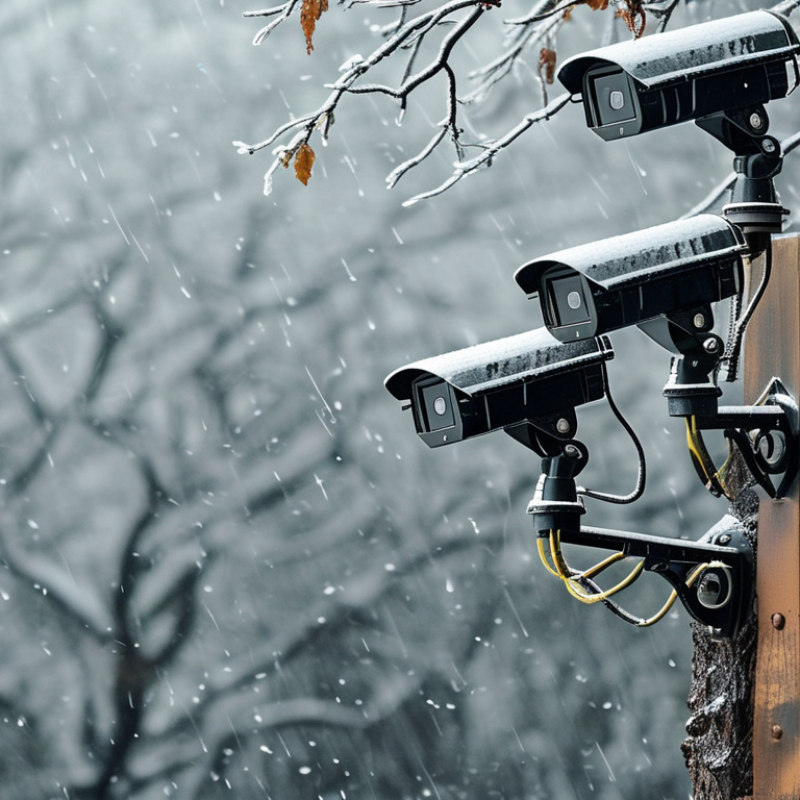
Outdoor Pan Tilt Units (PTZ) are crucial for surveillance and monitoring, especially in extreme weather. Understanding the importance of maintaining these units can significantly impact their performance and longevity. Failure to maintain PTZ units could lead to malfunctions when you need them most. Regular upkeep ensures they withstand harsh elements like wind, rain, and snow.
When temperatures drop or storms hit, the components can suffer. Check seals and gaskets regularly for wear. Ice can form in joints, causing mechanical issues. Implementing a routine inspection schedule helps to identify potential problems before they escalate. A simple inspection could prevent costly repairs.
It’s essential to consider the installation location as well. Units mounted in shaded areas may accumulate debris more quickly. Wind and rain could compromise their electronics. Ensure proper alignment to avoid unnecessary wear. Just remember, while a well-maintained PTZ unit can perform reliably, neglect can lead to unexpected failures.
In extreme weather conditions, the performance of outdoor pan tilt units may be compromised. Factors such as temperature fluctuations, humidity levels, and wind conditions greatly impact their reliability. For instance, extreme cold can cause metal components to contract, leading to mechanical failures. On the other hand, high humidity can result in moisture buildup, affecting electronic circuits.
Regular assessments of environmental conditions are crucial. Operators should monitor local forecasts and environmental changes. This proactive approach can help anticipate challenges. Noticing signs of corrosion or wear early on is essential. Neglecting these details can lead to costly repairs. It isn't just about performance; it's about the longevity of the equipment. Improper care and lack of attention to these environmental factors may shorten the lifespan of your units.
Weatherproofing measures should be standard practice. While many units have built-in protections, these features can degrade over time. Seasonal inspections become critical in ensuring effectiveness. It’s common for users to overlook minor cracks or exposed wires during routine checks. Recognizing the importance of these faults can save significant headaches in the future. Understanding and addressing these environmental influences make a substantial difference in operational success.
Extreme weather can pose significant risks to outdoor pan-tilt-zoom (PTZ) units. Preparing for such conditions is essential for ensuring their longevity and performance. According to industry studies, about 40% of camera failures during storms result from insufficient weatherproofing. This data highlights the importance of taking proactive measures.
Before extreme weather events occur, it is vital to conduct a thorough inspection of the PTZ unit. Examine seals and gaskets for any cracks or deterioration. These components play a crucial role in preventing water ingress. Regular maintenance of the power supply and connections can help mitigate risks. Ensuring they are properly insulated reduces the likelihood of malfunctions during severe conditions.
Securing the camera's mounting system is another critical consideration. Poorly secured units can sway or detach in high winds. Use robust brackets and evaluate their condition regularly. Adverse weather can also impact cable integrity. Consider protective conduits to shield cables from moisture and physical damage. Taking these steps can significantly enhance the reliability of outdoor PTZ units when facing harsh environments.
Routine maintenance checks play a crucial role in ensuring the longevity of outdoor pan tilt units, especially during extreme weather. Regular inspections can help identify issues before they become major problems. For instance, check for any signs of corrosion on metal components. Pay attention to loose wiring or connections that may expose sensitive parts to harsh elements. Document each maintenance session to track wear and tear over time.
Cleaning is another essential part of routine maintenance. Remove debris such as leaves or dirt that can obstruct mechanical parts. Use a soft cloth to avoid scratching sensitive surfaces. It is beneficial to lubricate moving parts according to the manufacturer's recommendations. Extreme temperatures can cause lubricants to break down, so seek out products that can withstand various weather conditions.
Finally, consider environmental factors in your location. High humidity can lead to moisture accumulation, while strong winds may increase the risk of physical damage. Regularly assess the protective housing and seals. Bad seals can allow water to seep in, causing electrical failures. Recognizing these small details during maintenance can foster a culture of proactive care. Investing time in upkeep today can prevent costly repairs tomorrow.
Extreme weather can be harsh on outdoor Pan Tilt Units (PTZ), but upgrading your equipment can enhance resilience. Selecting materials that withstand temperature fluctuations is crucial. Consider housings made from corrosion-resistant metals or high-grade plastics. This choice can extend the lifespan of your units. Additionally, enhanced sealing methods will prevent water ingress, protecting sensitive electronic components.
Regular maintenance should not be overlooked. Inspect the units periodically. Look for signs of wear or corrosion. Replace any damaged seals or gaskets promptly. This is essential for keeping outdoor PTZ fully operational. Furthermore, ensure that the mounting structure is secure. Wind can pose a significant threat to stability.
Keep software updated. Manufacturers often release patches that improve performance in extreme conditions. Stay informed about advancements in weather-resistant technology. This commitment to ongoing improvement is key. It can make a noticeable difference in the reliability of your equipment under duress.
| Tip Number | Maintenance Tip | Explanation | Frequency |
|---|---|---|---|
| 1 | Inspect Seals | Check for cracks or wear in seals to prevent moisture ingress. | Monthly |
| 2 | Clean the Unit | Remove dirt and debris to maintain optimal functionality. | Bi-monthly |
| 3 | Test PTZ Functions | Regularly check panning, tilting, and zooming capabilities. | Weekly |
| 4 | Apply Lubricant | Lubricate gears and moving parts to reduce wear. | Quarterly |
| 5 | Check Power Supply | Ensure backup power systems are functioning correctly. | Monthly |
| 6 | Secure Connections | Inspect and tighten any loose connections to prevent failure. | Monthly |
| 7 | Weatherproofing | Apply weather-resistant coatings to vulnerable areas. | Annually |
| 8 | Monitor Temperature | Ensure operation within manufacturer-recommended temperature limits. | Always |
| 9 | Review Software Updates | Keep firmware up to date to improve functionality and security. | Every 6 months |
| 10 | Professional Inspection | Schedule periodic inspections by professionals to ensure optimal performance. | Annually |
: Temperature fluctuations, humidity, and winds can significantly compromise the performance and reliability of outdoor PTZ units.
Monitoring local weather and environmental changes helps anticipate challenges and prevent costly repairs due to neglect.
In extreme cold, metal components can contract, possibly leading to mechanical failures within the units.
Inspect seals and gaskets for cracks, and check power supplies to reduce risks of water ingress and malfunctions.
Routine checks should be regular, focusing on corrosion, loose wiring, and overall component condition to ensure reliability.
Remove debris from the unit and use a soft cloth to clean surfaces without causing scratches.
Effective weatherproofing can significantly reduce risks, yet it requires seasonal inspections to ensure ongoing protection.
Users may neglect small cracks or worn components, leading to significant problems later if not addressed promptly.
Neglecting routine care may shorten the equipment's lifespan and lead to serious operational failures during extreme conditions.
Consider using protective conduits to shield cables from moisture and physical damage caused by harsh weather.
Maintaining outdoor pan-tilt units in extreme weather is crucial for ensuring their functionality and longevity. Understanding the environmental factors that can impact performance, such as temperature fluctuations, heavy precipitation, and high winds, is the first step in effective maintenance. Preparing your outdoor PTZ units before severe weather strikes involves securing connections, protecting power sources, and clearing any obstructions that may hinder operation.
Routine maintenance checks are essential for identifying potential issues early and ensuring long-term reliability. Key actions include inspecting seals and gaskets, testing power systems, and cleaning lenses to prevent damage from debris. Furthermore, upgrading your outdoor PTZ equipment to enhance resilience against harsh weather conditions can significantly improve performance during adverse events. By following these guidelines on how to maintain outdoor pan-tilt units in extreme weather, users can safeguard their investment and ensure uninterrupted surveillance.

HawkEye Camera