Select premium optical, mechanical, and transmission solutions engineered to withstand extreme deployment criteria.

In modern industrial, maritime, and public safety operations, raw data throughput has shifted from a peripheral optimization target to a core mission requirement. The global demand for high-speed, low-latency video transmission systems is driven by the rise of unmanned vehicles, automated border control, offshore renewable resource management, and massive multi-spectral sensor arrays. As high-definition networks transition from 1080p to 4K and 8K, standard compression and latency parameters are no longer sufficient to support operations requiring real-time situational analysis.
From an international supply perspective, China has established itself as the hub of optoelectronic component engineering and wireless network integrations. To successfully transition video streams over long distances without data degradation, companies rely on integrated physical and electromagnetic architectures. This entails pairing extreme-weather housings, high-efficiency sector antennas, and heavy-duty mechanical pan-tilt positioning devices with intelligent network management systems. The integration of dual-sensor cameras (thermal and optical) requires substantial bandwidth and optimized latency profiles to prevent spatial lag during long-range tracking operations.
Changzhou HawkEye Camera Co., Ltd. is a leading technology-driven enterprise specializing in the design, development, and production of advanced intelligent security and monitoring systems. With a robust foundation in innovation and cutting-edge technology, the company is committed to delivering high-performance, stable, and reliable products to meet the diverse needs of global markets.
Guided by a philosophy of "Sustainable Development" and a "People-oriented" approach, HawkEye Camera Co., Ltd. strives to create a positive impact in both the security industry and society. We maintain a strong corporate image through persistent technical upgrades and testing protocols, ensuring that quality, reputation, and social responsibility guide every phase of our manufacturing lifecycle.
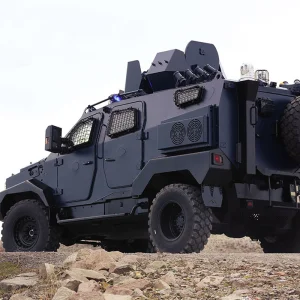
Engineered for high-definition intelligent vehicle-mounted environments and portable tactical operations. These systems incorporate robust shock absorption and high-speed target acquisition capability.
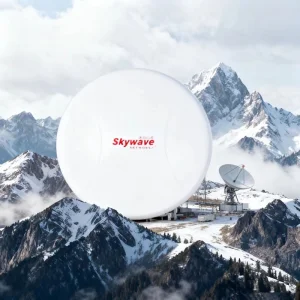
Provides critical communication infrastructure for real-time mobile tracking and secure wireless control terminals in fields lacking wired network coverage.
Full real-time HD-SDI and digital network pan-tilt series built to process broadcast-quality, uncompressed or minimally compressed telemetry and video streams.
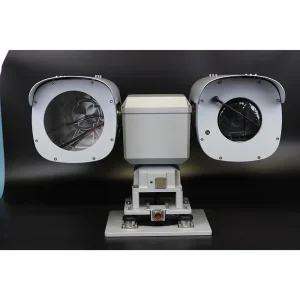
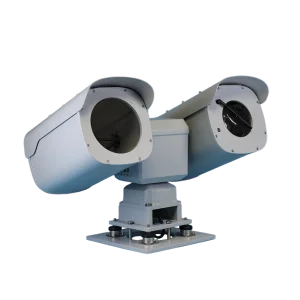
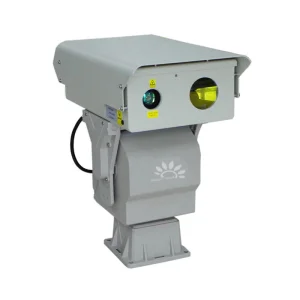
Intelligent integrated heavy-duty pan-tilt systems engineered to support high-payload optics, continuous laser illuminators, and complex stabilization algorithms.
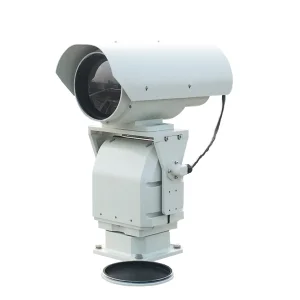
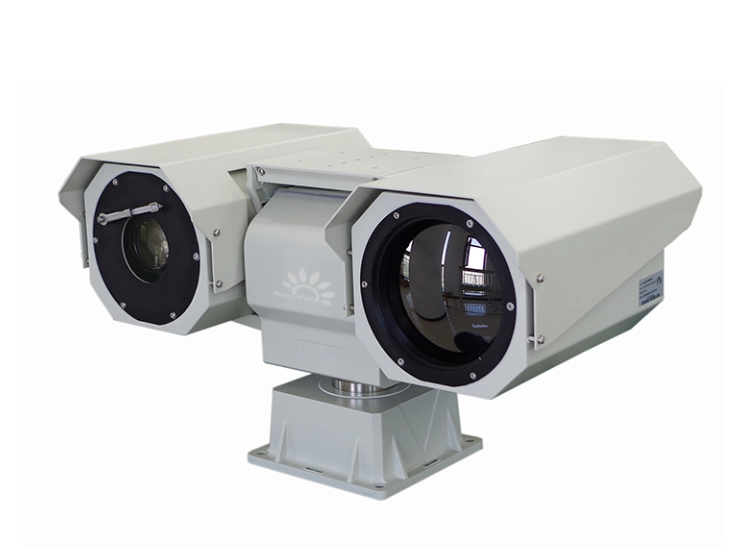
Deploying advanced cooled and uncooled microbolometers within optimized optoelectronic architectures for medium-to-long range identification in zero-light conditions.
Certified ISO9001 with products matching CE, RoHS, and FCC specifications. All models undergo rigorous verification tests at the national Safety and Police Electronic Product Quality Inspection Center.
Advanced security systems require adaptation to varying environmental conditions. Systems designed for dry, dust-heavy terrestrial borders will experience accelerated degradation if deployed directly in highly corrosive marine settings. This division of use cases forms the foundation of our engineering paradigm:
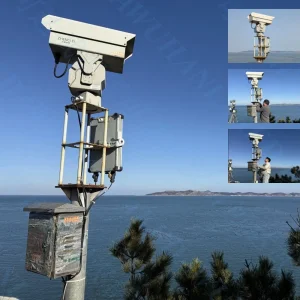
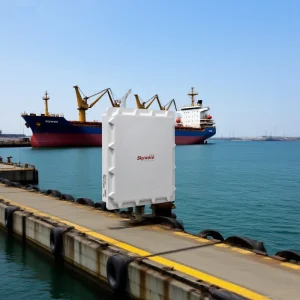
Integrating radar tracking targets at distances up to 8km with marine-grade anti-corrosive physical frames allows operators to track ocean vessels in salt fog, humidity, and high-wind environments. Standard materials oxidize quickly under these conditions; our specialized marine coatings prevent structural failure of high-load positioning mechanisms.
Heavy-duty optical enclosures combined with continuous thermal analysis detect heat anomalies over long distances. Environmental telemetry data is compiled by robust metal terminals and transmitted via sector antenna wireless networks, bypassing the need for physical cabling across isolated forest systems.
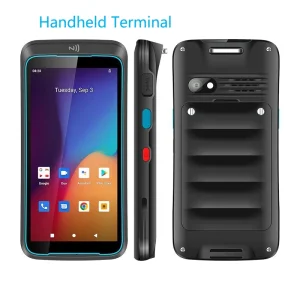
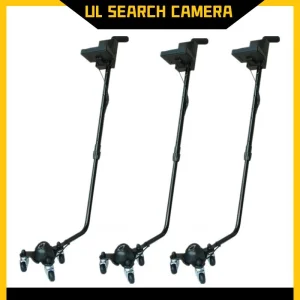
Utilizing under-vehicle video detectors, mobile rugged handsets, and vehicle-roof pan-tilts enables teams to maintain high-speed, live data connectivity back to regional centers. These systems leverage 4G LTE/5G technologies and secure encryption layers to protect the integrity of the data stream.
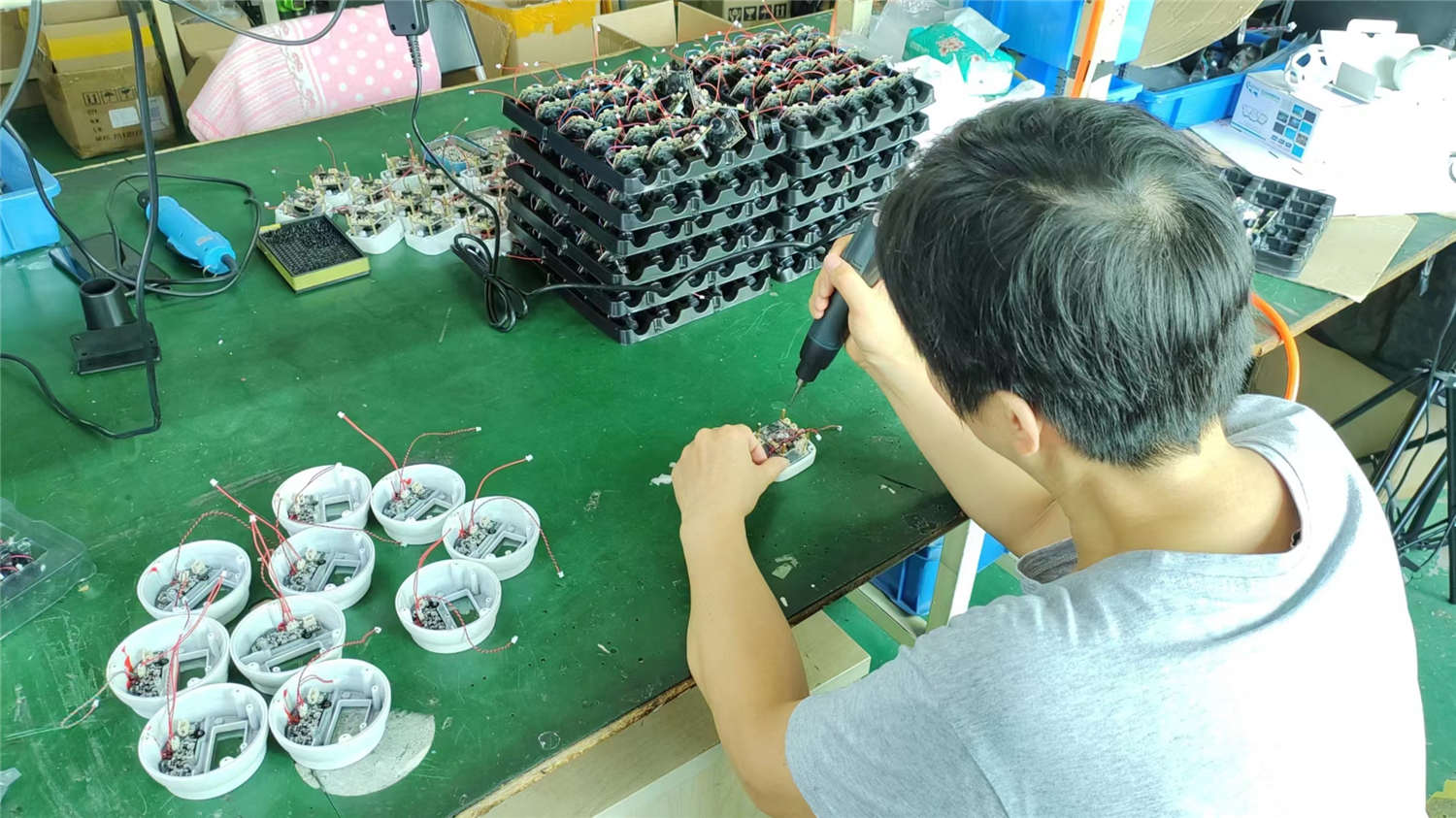
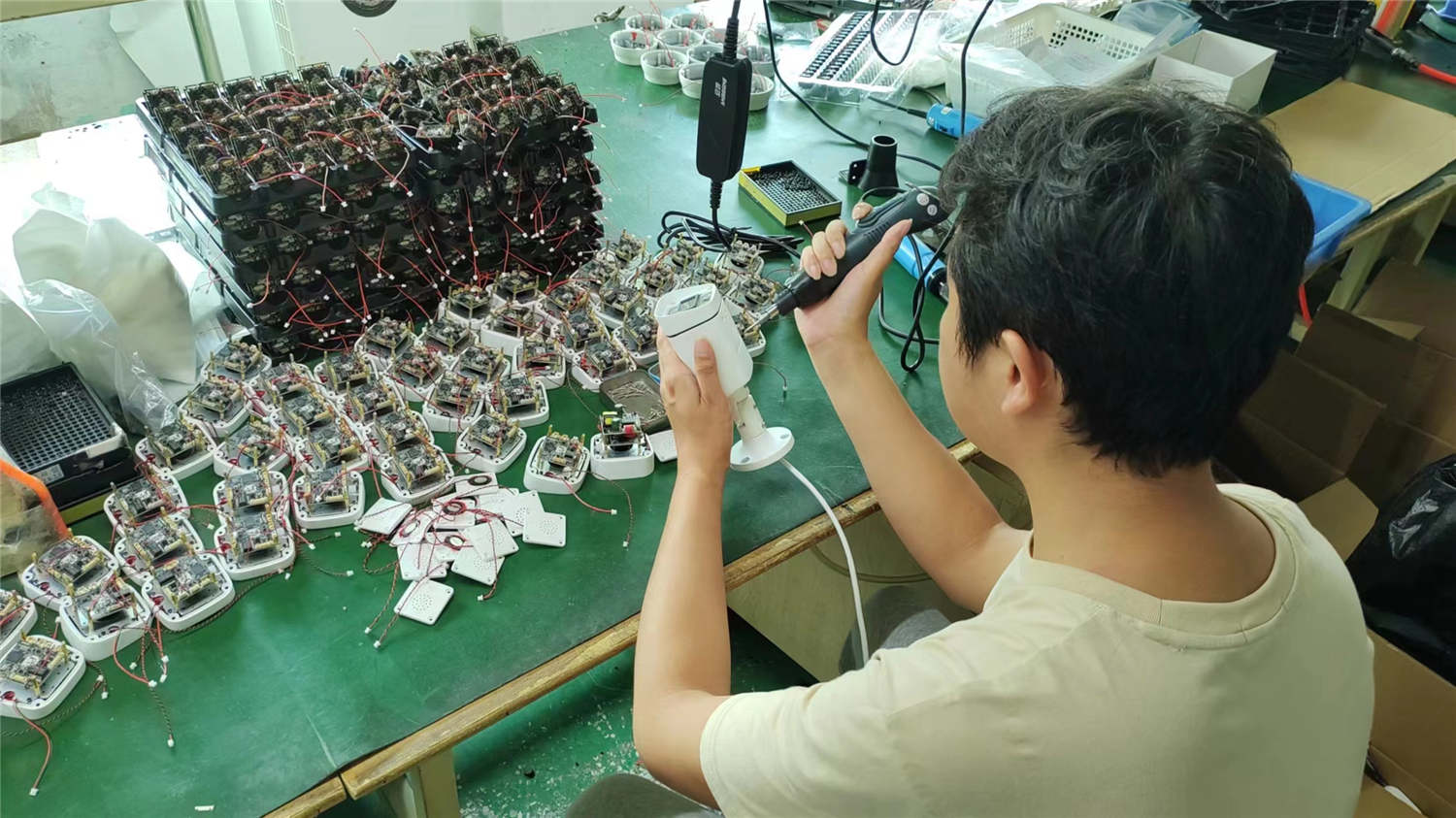
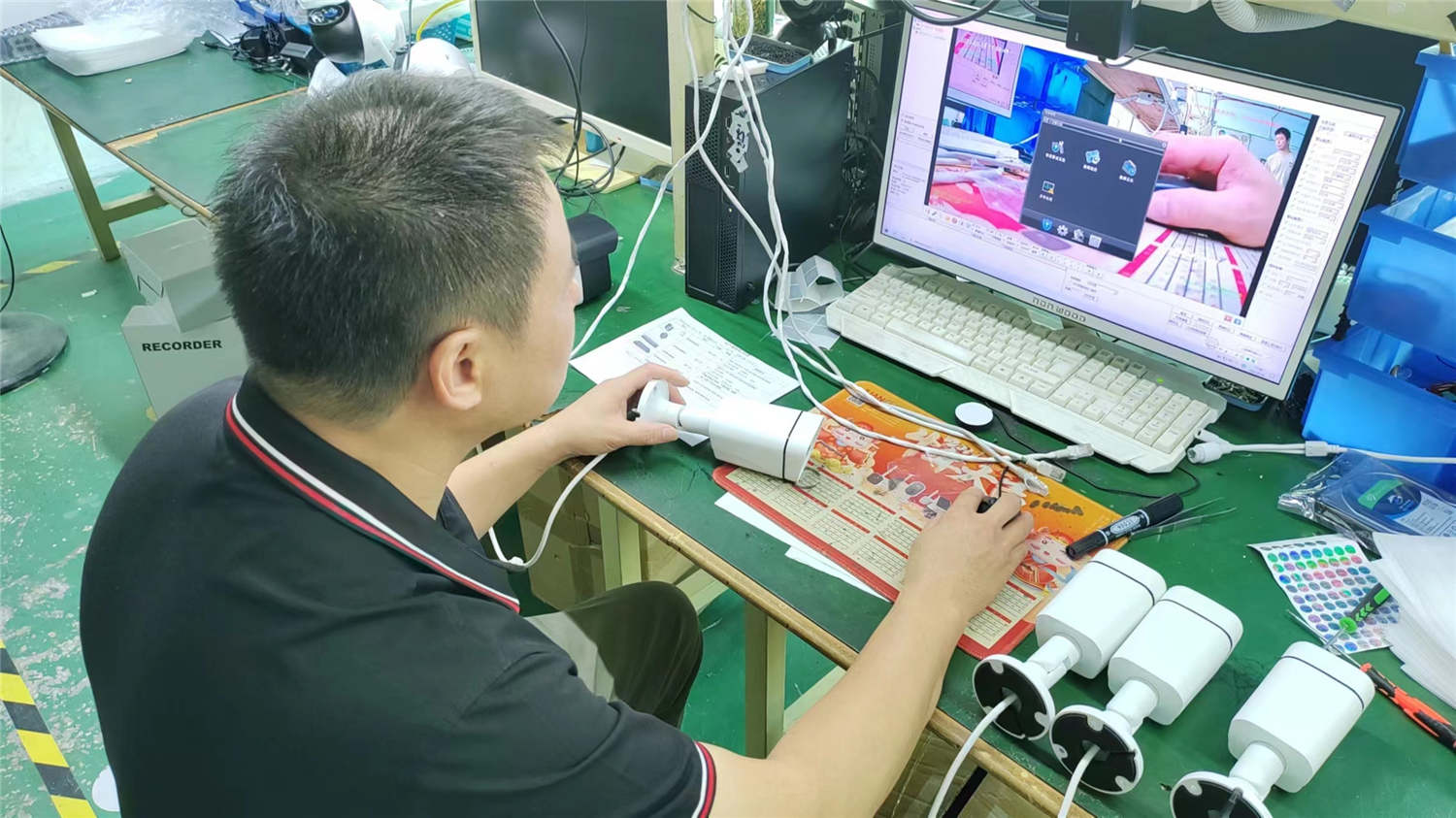
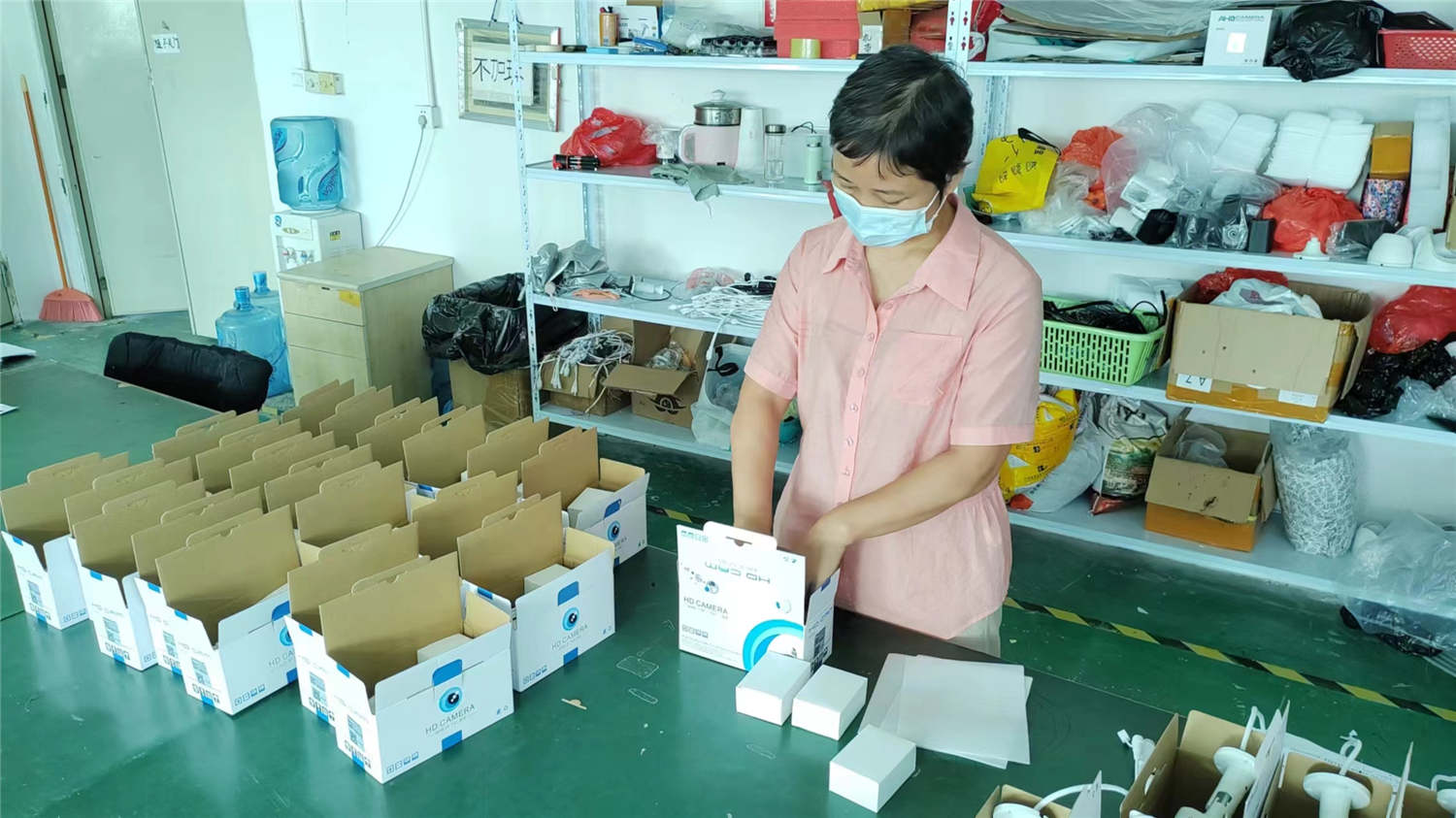
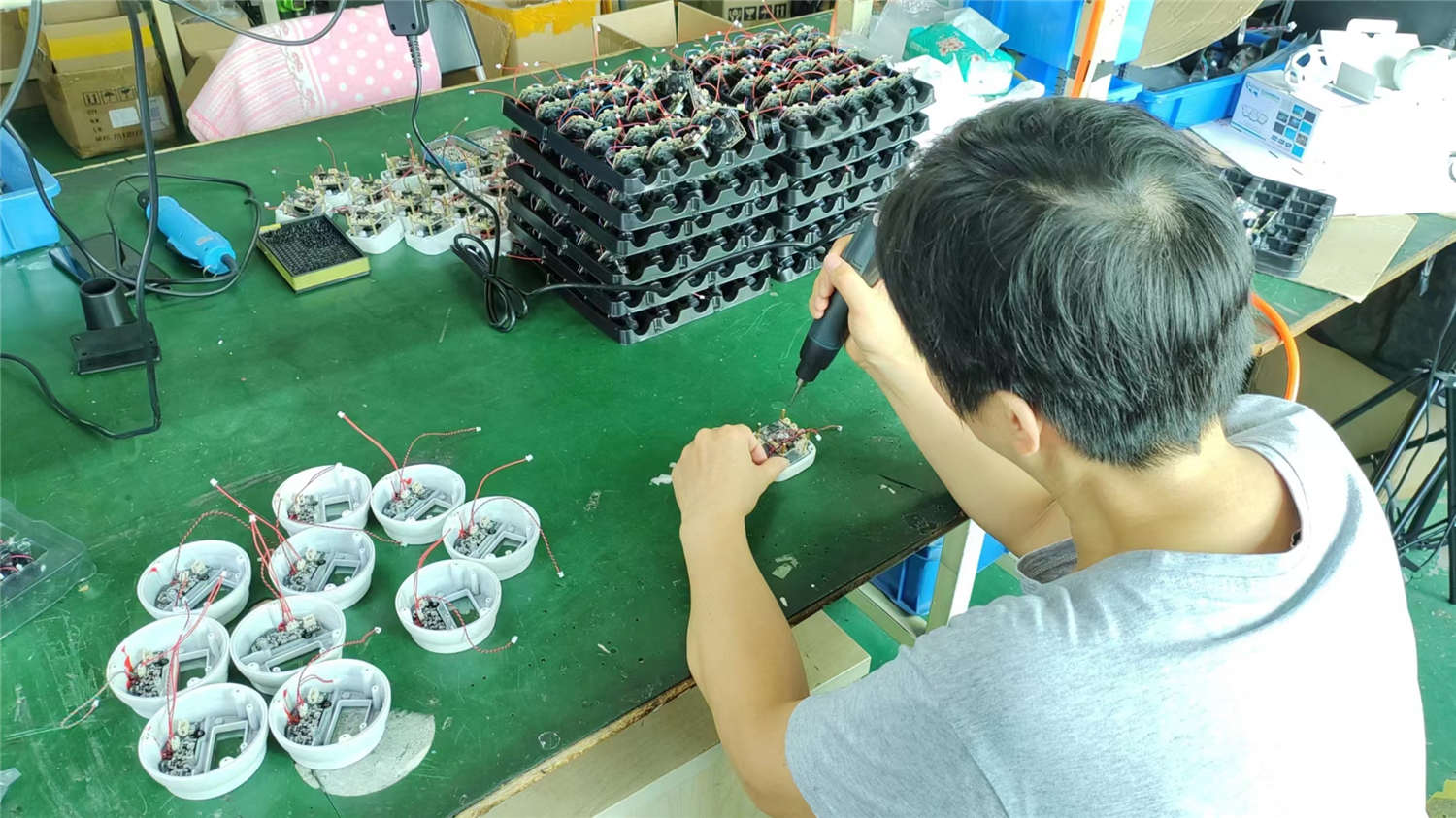
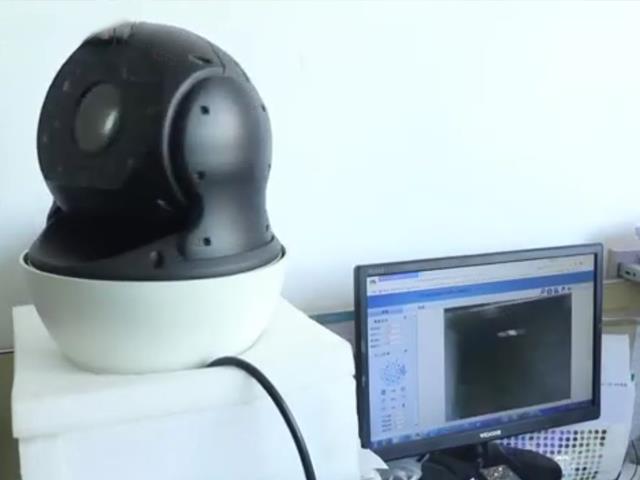
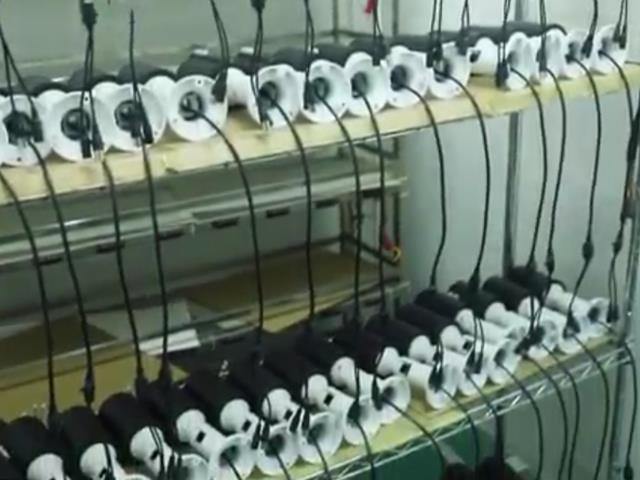
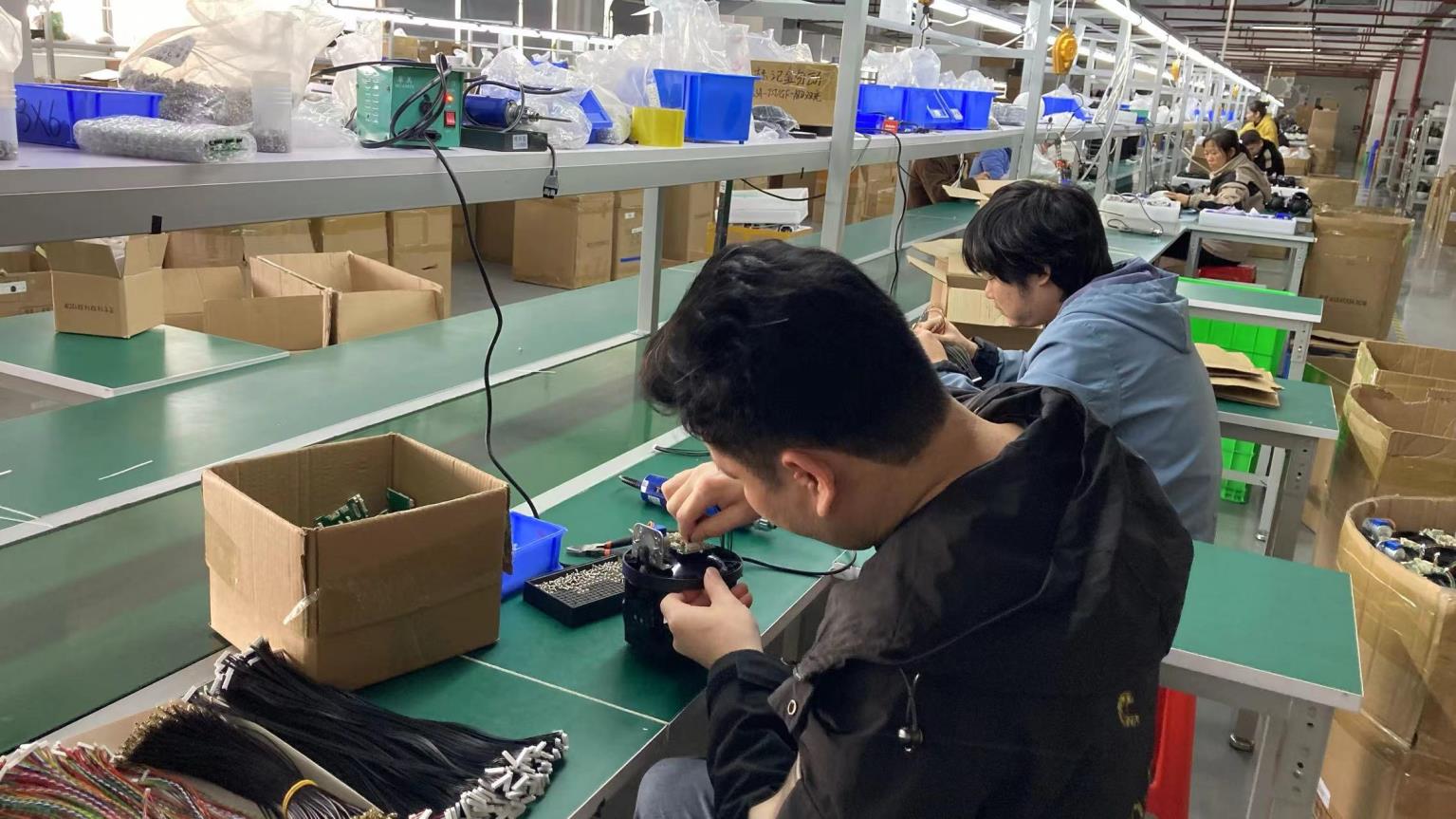
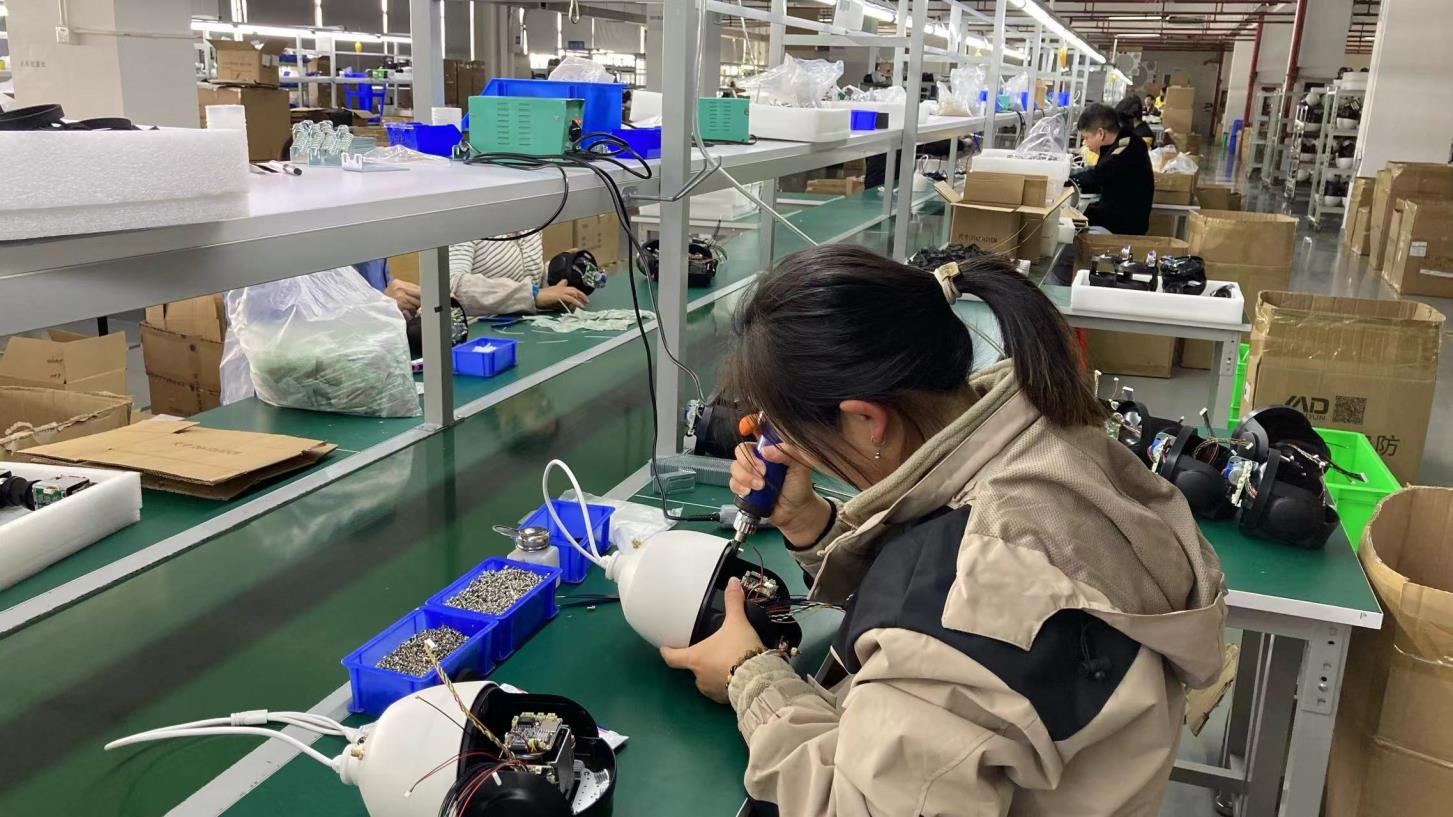
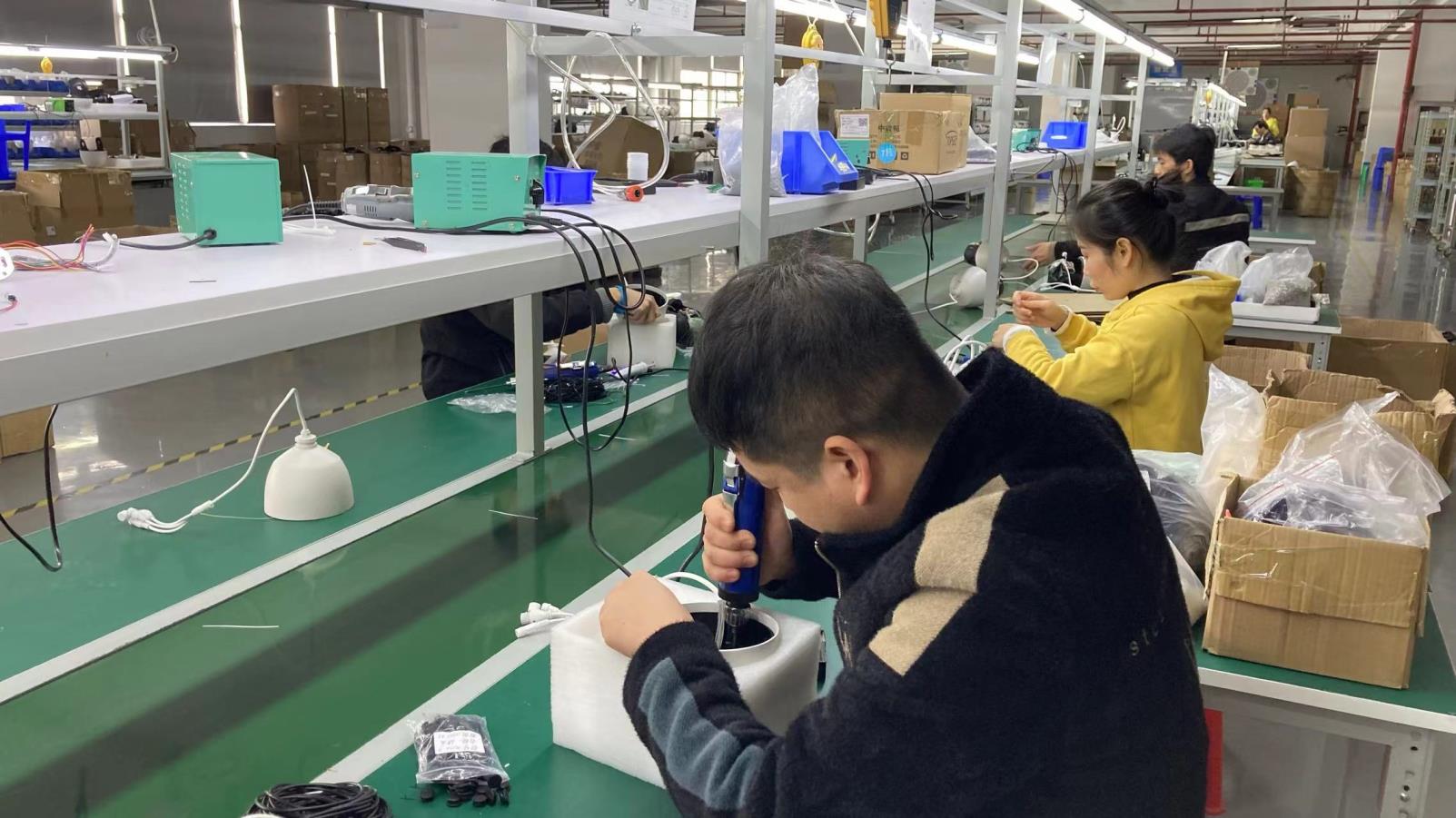
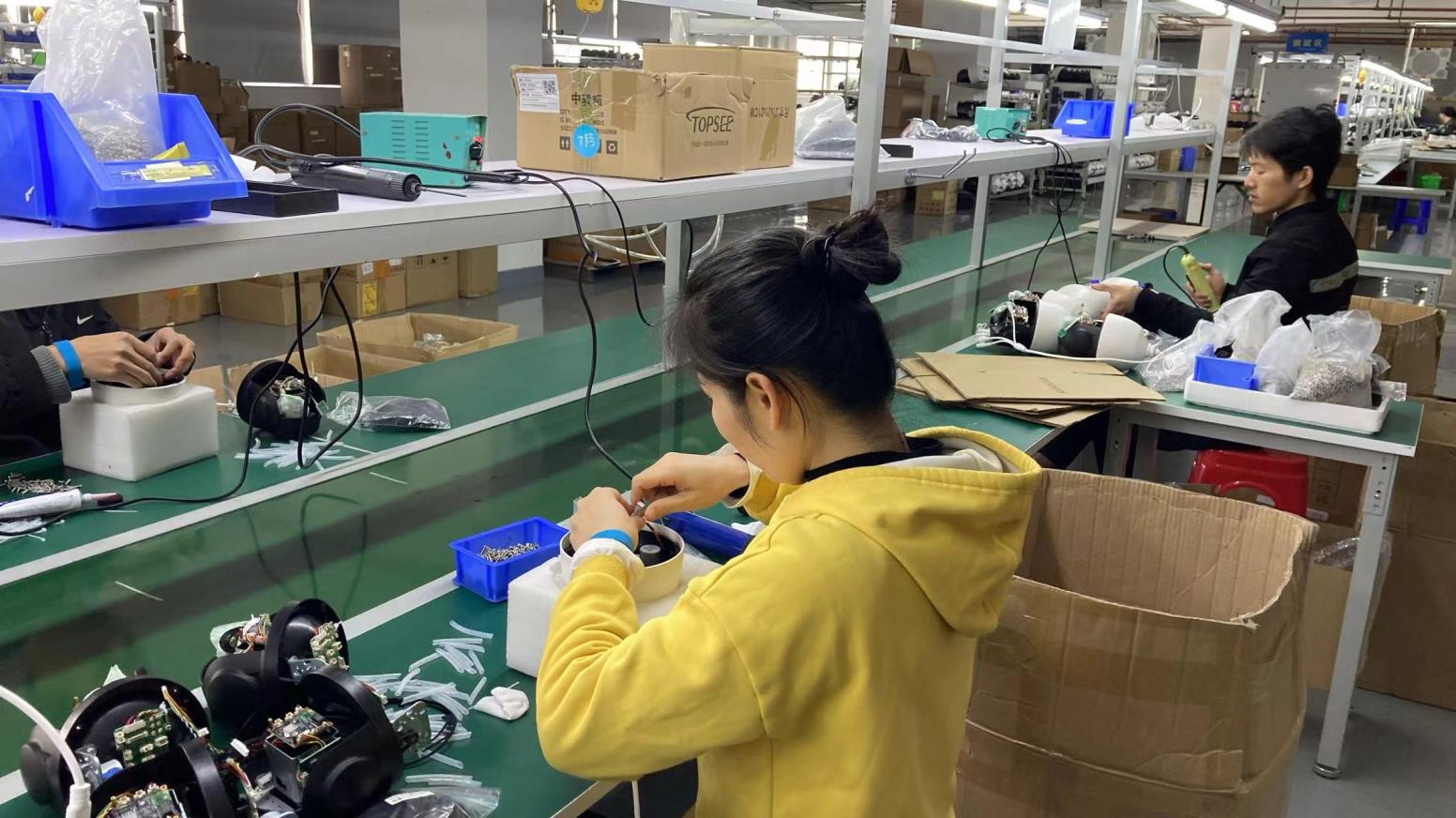
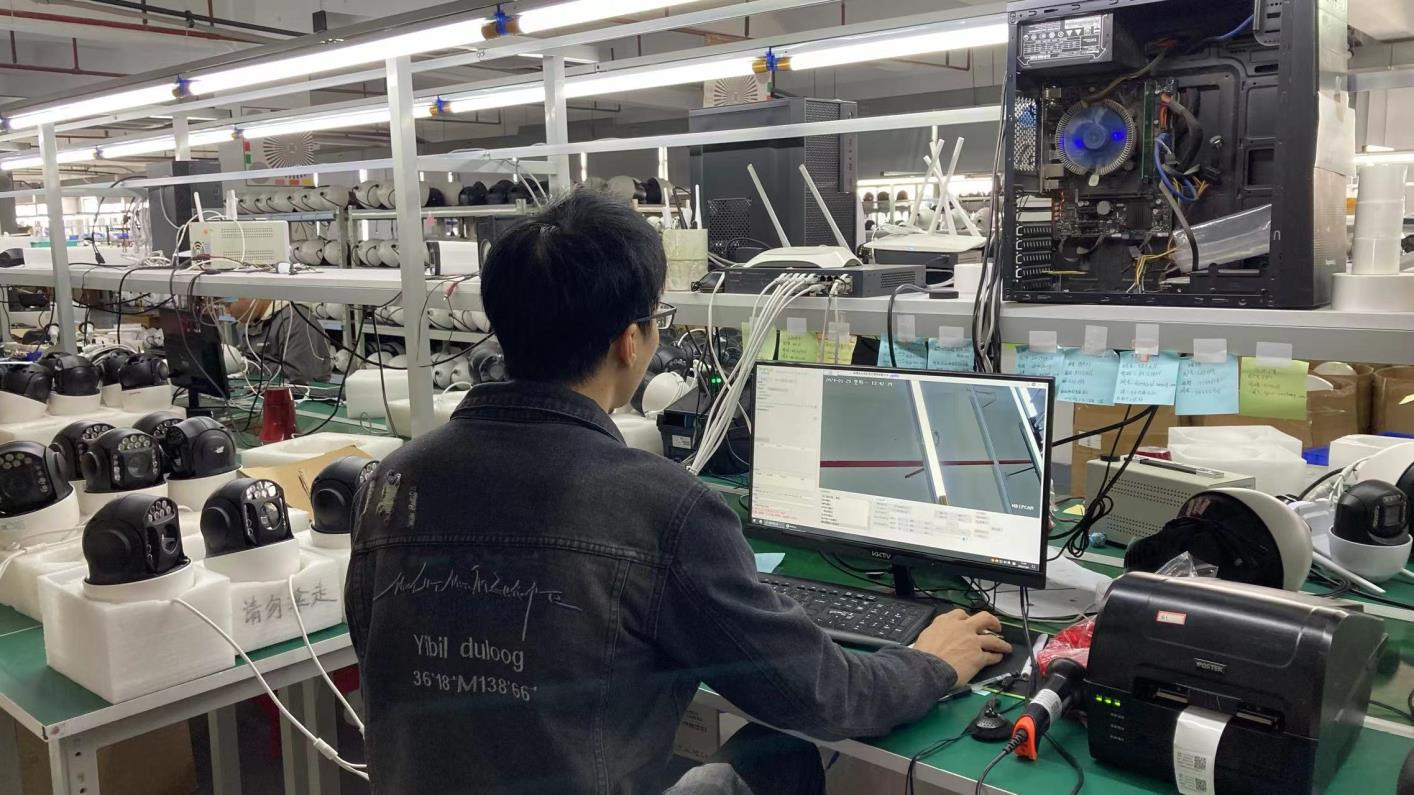
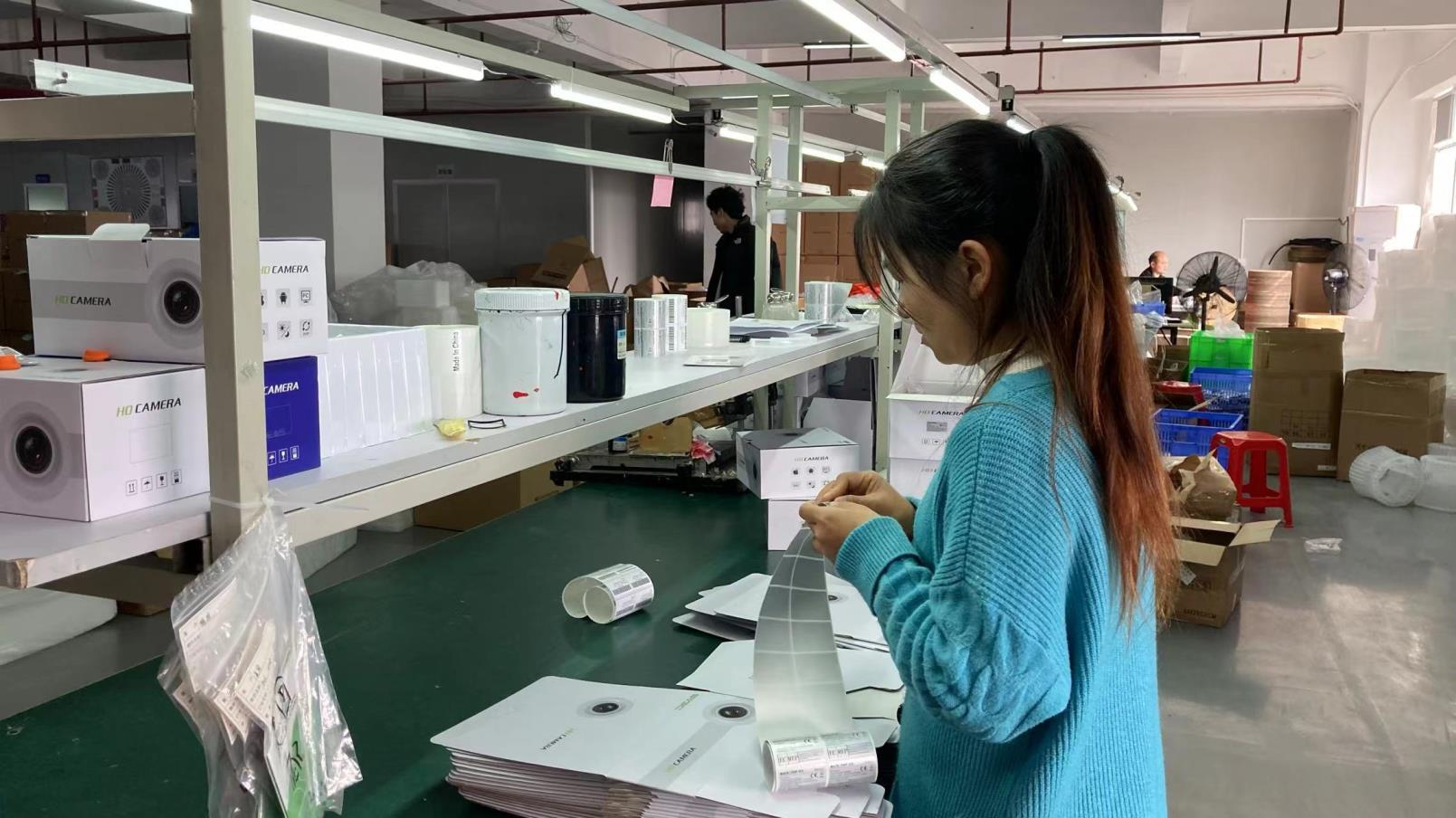
Undergoing rigorous functional checks, automated assembly, thermal testing, and precise calibration to guarantee reliable long-term performance.


Our strategic roadmap drives the integration of AI diagnostics, multi-spectrum sensor fusion, and high-efficiency video pipelines.
Integrating mid-wave thermal sensors with ultra-long-range visual optical zooms. Hardware-level pixel alignment balances the different focal dynamics of diverse lenses, ensuring consistent tracking accuracy.
Optimizing telemetry terminals with embedded network algorithms to minimize latency over point-to-point wireless systems. Developing customized coding blocks to protect real-time streams against signal interference.
Incorporating embedded processors into heavy-duty pan-tilt assemblies. Moving target acquisition and classification algorithms from local servers directly onto edge devices allows faster panning responses.
Developing advanced materials and engineering structures, such as high-grade marine anti-corrosive alloys and specialized thermal lens mounts, to guarantee equipment durability in extreme operational settings.
Reliable high-speed video transmission requires a well-integrated system architecture. Using independent, uncoordinated components often creates integration bottlenecks. Our comprehensive structural approach aligns long-range optics, wireless routing, and rugged structural components into an unified operational loop:
Combines dual-sensor thermal cameras, long-range laser illuminators, and optical lens arrays. This setup generates video signals under varied light conditions, supporting athermalized continuous focus across high zoom factors.
Heavy-duty pan-tilt positioners dynamically stabilize the optical assemblies. They counter vibration from winds or moving platforms to ensure clear video streams even at extreme zooms.
Processes incoming video streams via high-performance wireless nodes and carrier-grade base stations. The transmission hardware maintains throughput up to 867Mbps over long distances.
Addressing technical inquiries regarding the configuration, mechanical limits, and deployment of long-range surveillance systems.
To achieve low-latency transmission, we optimize the network at both the compression and hardware transport layers. Video feeds are encoded using hardware-accelerated H.265 or H.264 streams on the camera modules, minimizing processing overhead. For transmission, our outdoor carrier-grade wireless base stations use Qualcomm processing chips and point-to-point bridging algorithms, achieving throughput up to 867Mbps. This maintains video feed and PTZ control latency within tight operational limits over distances up to 8km.
Devices deployed in marine environments require corrosion protection to prevent salt-fog damage. Our specialized structural beams and outdoor camera enclosures use marine-grade alloys treated with anti-corrosion coatings. Structural seams are sealed with custom polymer gaskets to maintain IP66 or IP67 ratings, protecting inner electronic components, motors, and optoelectronics from salt, moisture, and fine particulates.
Standard lenses experience small physical shifts in optical elements as external temperatures change, leading to focal drift on long-range thermal or optical sensors. Athermalized lenses use a combination of optical elements with complementary thermal expansion rates, housed in high-stability mechanical barrels. This configuration offsets physical shifts due to temperature changes, ensuring the lens assembly maintains sharp focus from hot daytime conditions to cold night operations without requiring manual recalibration.
Our motorized heavy-duty pan-tilt units are engineered to support payloads up to 50kg or more, depending on the model's structure. High-precision worm gears minimize backlash, maintaining positioning accuracy within +/- 0.05 degrees. Integrated slip-rings allow continuous 360-degree rotation, while variable panning and tilting speeds ensure smooth object tracking at high optical zooms.
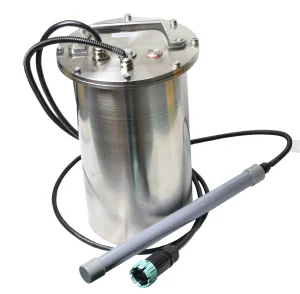
Telemetry terminals like the M21f-W580 connect to multiple field sensors using standard industrial protocols such as Modbus, RS485, and RS232. Analog signals from sensors are converted to digital packets, packaged, and transmitted to central servers via built-in cellular (4G LTE) or long-range wireless links. Their durable metal housings and low-power modes make these terminals suitable for continuous monitoring at remote field locations.
Additional specialized hardware, optical filters, wireless base stations, and rugged tactical equipment.


 HawkEye Camera